
September 25, 2024
Are agricultural input prices killing Philippine swine farms with high prices?

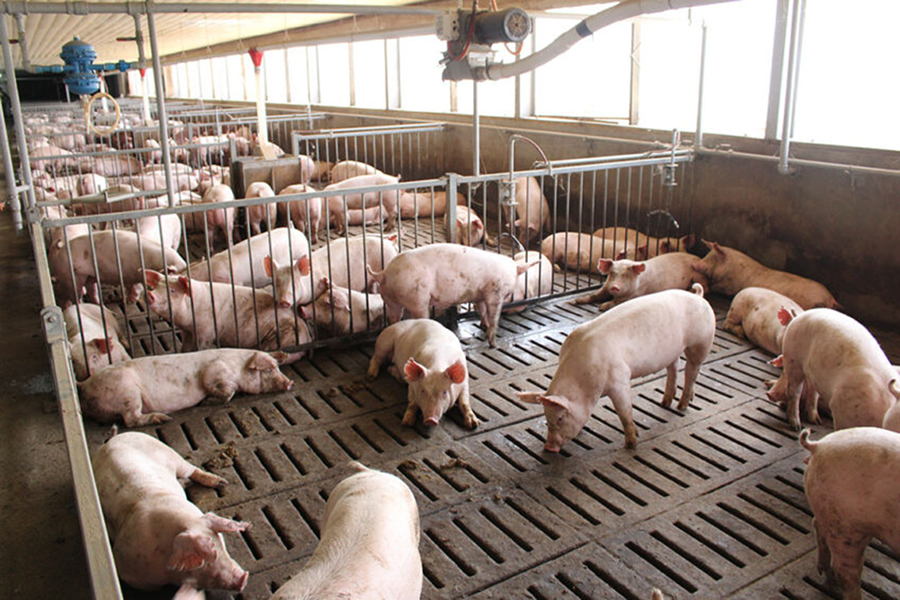
The swine and poultry industries in the Philippines are grappling with skyrocketing costs, primarily driven by the rising prices of agricultural inputs.
The increase in feed prices, especially for corn, has placed a significant financial burden on farmers. Compounding this challenge is the resurgence of African swine fever (ASF), a highly contagious disease that continues to wreak havoc on pig farming across the country.
One of the most critical factors behind the financial strain in pig and poultry production is the sharp rise in feed input prices. From May to September 2024, data from the Department of Agriculture (DA) revealed significant increases in the costs of palm oil, coconut oil, and corn. Corn, a key component of animal feed, saw a staggering 23% increase in price, jumping from ₱50-80 (US$0.89-1.43) per kilogram to ₱60-100 (US$1.07-1.79). Vegetable oils, which are also integral to feed production, followed a similar trend, with palm oil prices rising by 8.06% and coconut oil by 4.48%.
These rising input costs have been passed down to consumers. Pork and chicken prices have surged, with farm-gate prices spiking due to the increased expense of raising livestock. The financial viability of swine farming is further threatened by this upward trajectory in operational costs.
The situation is worsened by a steep decline in domestic corn production, which is exacerbating feed shortages and inflating prices.
In the second quarter of 2024, corn production in Western Visayas fell by 26.6%, a significant drop that could not have come at a worse time for the country's feed supply. The harvested area for corn in the region shrank by 27.7%, with white corn production experiencing a particularly sharp decline of 44.8%. This decrease in production has forced the country to rely more heavily on imports.
In fact, the US Department of Agriculture (USDA) raised its corn import forecast for the Philippines to 1.3 million metric tonnes in 2024, as local output struggles to meet demand. These imports, however, come with their own costs, as global corn prices fluctuate due to international market conditions, adding another layer of instability for local farmers.
But feed prices are only one part of the problem. The re-emergence of ASF is equally threatening the viability of the Philippine swine industry. ASF, which has devastated pig populations in various parts of the world, continues to cause outbreaks across the country, prompting industry leaders to call for a national emergency declaration. The virus's resurgence has caused alarm within the pork industry, with farmers reporting substantial losses of livestock.
The rollout of vaccines has been considerably slow, with only 41 pigs getting Vietnam's AVAC vaccine so far. Many farmers, desperate to protect their herds, have resorted to purchasing unregulated vaccines online, raising concerns over the safety and effectiveness of these treatments. This development has created an environment of uncertainty and risk, further destabilizing an already vulnerable industry.
Moreover, the questionable quality of the AVAC vaccine has led to doubts if the vaccine can reverse the trend of ASF-related pig losses within the Philippine swine sector.
The combination of high feed costs and ASF has left Philippine swine farmers struggling to stay afloat. Financial pressures add to reduced production, as many farmers can no longer afford the rising costs of raising pigs. At the same time, outbreaks of ASF are decimating herds, leading to further supply shortages and driving up pork prices.
Philippine swine farms are facing a perfect storm of challenges. Rising agricultural input prices are straining the financial capacity of farmers, while ASF continues to threaten the very foundation of swine farming.
Without urgent intervention — whether through government subsidies for feed, more efficient and resilient corn production, or a faster ASF vaccine rollout — the future of swine production in the Philippines looks uncertain.
About EFL AG-DATA
EFL AG-DATA is a startup incubated by Singapore's Nanyang Technological University's Innovation and Enterprise Company (NTUitive) Incubator Program. It is developing an agricultural hub that will revolutionize the feed-to-meat supply chain in China and Southeast Asia countries through data-driven solutions. EFL's mission is to empower farms through innovative data-based services that solve complex problems and enhance productivity.
- EFL AG-DATA